Most Australians who walk into a casino for the first time treat the roulette table like a slot machine with better lighting. That is a mistake, and it is one we see repeated in pubs from Brisbane to Perth. The difference between a quiet arvo spinning chips and a lost weekend comes down to how you place your bets before the ball lands. If you are working out how to bet on roulette for real money, the smartest move is to start with a platform that lays out its table games clearly and lets you read the odds before you commit a single dollar, which is exactly why a straight-up look at https://jeetcasino.org/ matters when you are comparing where to play.
Start with the table, not the adrenaline
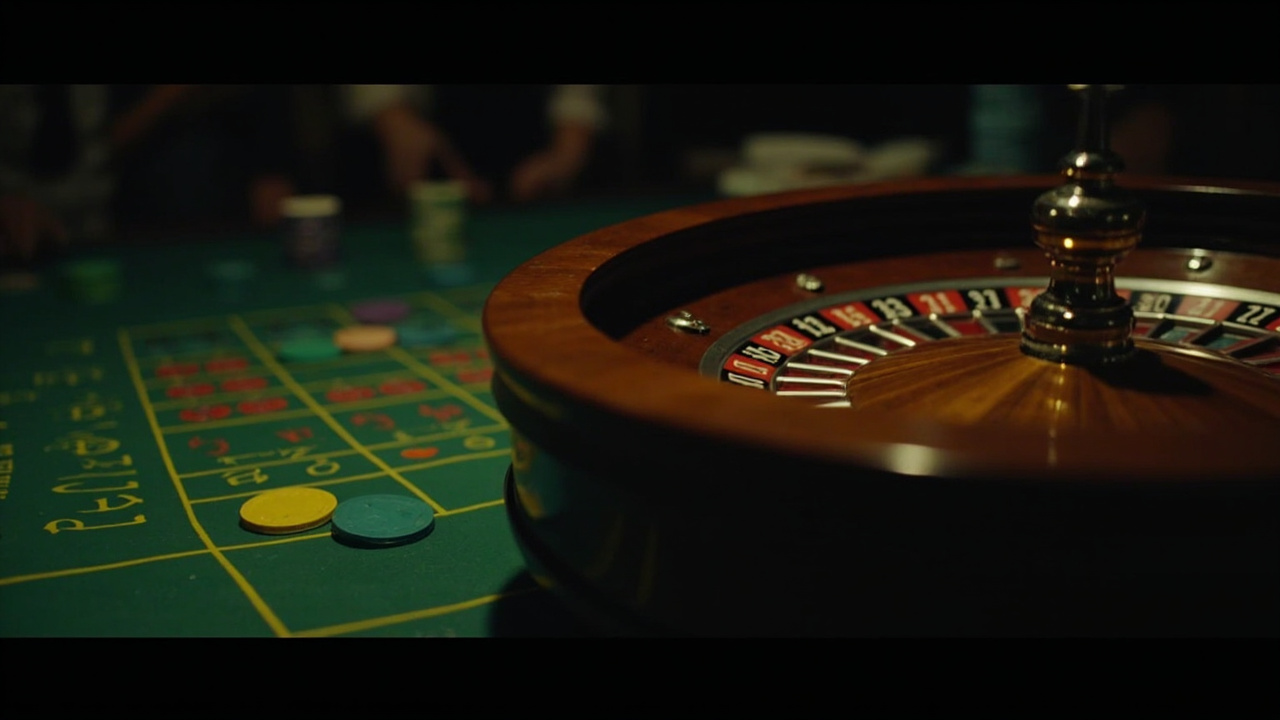
The first thing worth sorting out is which version of the wheel you are actually sitting in front of. European wheels carry a single zero, American wheels stack two zeroes on the layout, and that extra pocket quietly shifts the house edge without anyone making a fuss. In the UK and across much of Europe, players are conditioned to read that difference early, because the single-zero layout is treated as the default rather than a premium upgrade. Here, the choice is often buried under flashy branding, so the practical habit is to check the wheel layout and the payout grid before you decide on a betting rhythm. A clean lobby groups tables by wheel type and minimum stake, which saves you from clicking into a six-zero setup when you meant to stick with the simpler odds. When you are learning how to bet on roulette, that upfront clarity matters more than any welcome bonus, because a confused layout turns every spin into guesswork rather than a deliberate call.
Place your chips the way you read a menu
Betting on roulette is less about predicting the next number and more about choosing which risk profile suits your bankroll for the session. Straight-up numbers pay thirty-five to one but hit rarely, while outside bets on red or black, odd or even, and the dozens cover more of the layout for smaller returns. The trick is to match the stake to the coverage, not to the dream of a single hit paying the rent. A sensible sequence looks like this: pick your table limit first, set a session bankroll you are willing to lose, choose one or two outside bets for steady coverage, add a small inside bet only if it fits your budget, and keep a note of where your chips are sitting so you are not guessing mid-spin. That is the practical shape of how to bet on roulette without turning a quiet session into a panic. Early European cards had suits of cups, coins, swords and batons, and the point of those layouts was always to give players clear categories to read, not to mystify the game. A modern table works the same way when the betting grid is organised so you can see exactly what each chip covers before you press spin.
Manage the table like you manage a Sydney coffee order
There is a reason locals in Sydney talk about a good flat white with the same precision they apply to a betting limit: consistency beats improvisation. On a roulette table, that means setting a stake that lets you survive a losing run without chasing, and deciding in advance when you will walk away whether you are ahead or not. The international contrast is worth noting, because in New Zealand and the United States the same wheels often sit behind different promotional structures, with bonus credits pushing players toward higher table limits than they would pick on their own. Here, the better habit is to treat the table limit as a boundary, not a challenge, and to keep your bet sizes tied to the session you planned rather than the last spin. When you are figuring out how to bet on roulette with discipline, the mobile view matters too, because a lobby that stays legible on a phone stops you from misreading a bet under pressure. A clear registration flow and a support team that answers in plain English help as well, since a confused question about chip placement is the moment most players drift from a plan into a guess.
Read the room, then read the wheel
The final piece is knowing when the table is working for you and when it is just noise dressed up as activity. A busy live table with a steady dealer and clear chip stacks is usually easier to read than a cluttered screen full of animations that do nothing for your decision-making. In Europe, players often judge a table by how transparent the layout is and how quickly the pace settles once the first few spins land, rather than by the size of the crowd around it. That same judgement applies online, where a game mix that balances live dealers with clean digital tables gives you room to choose a pace that suits your headspace. Providers matter here as well, because consistent graphics and honest payout displays make it easier to see what you are actually betting on. When you are learning how to bet on roulette, the real advantage is not a secret system but a table you can read without squinting, a stake you can afford to repeat, and the discipline to stop when the session has run its course.
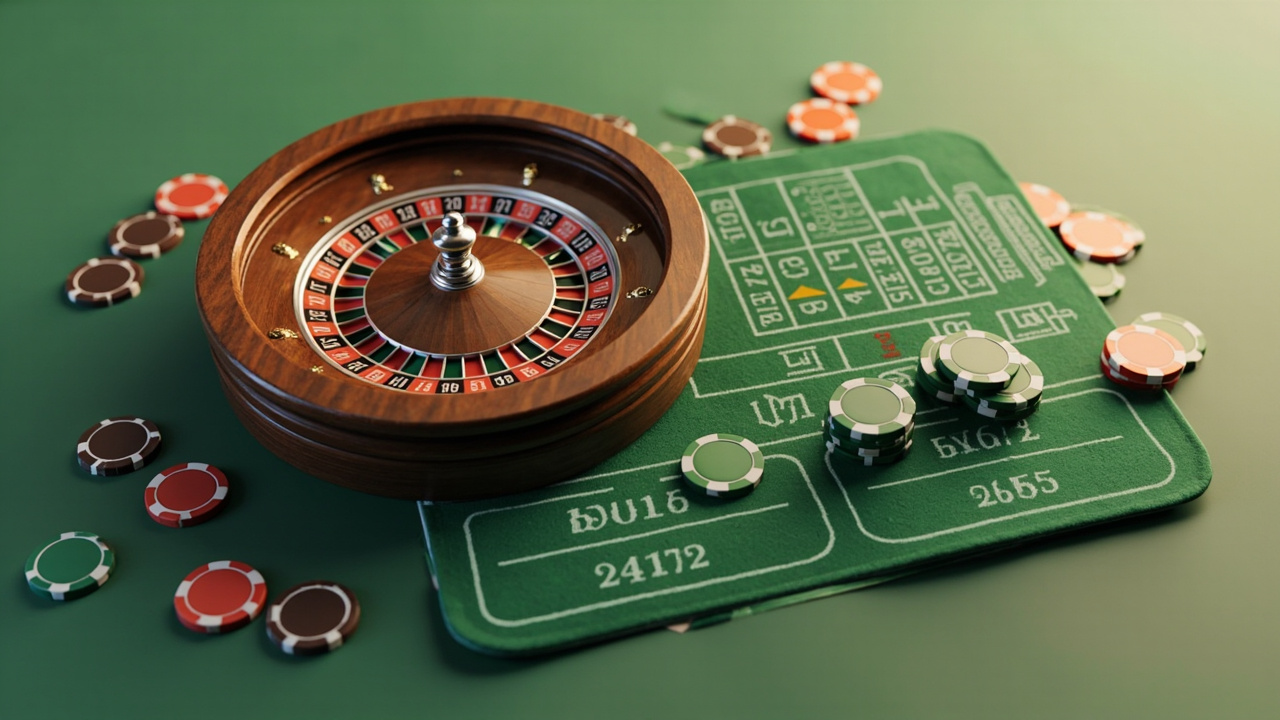
The simplest way to approach a roulette table is to treat it like any other measured decision: know the wheel, know the layout, and know your limit before the first chip goes down. If you can do that, the game stays a game rather than becoming a wallet with a spinner attached, and you give yourself a far better chance of walking away satisfied instead of chasing a number that was never yours to catch.