
The Role of Emotion in Game Selection
When it comes to choosing casino games, emotions play a significant role in the decision-making process. Many players are drawn to games that evoke feelings of excitement, anticipation, and even nostalgia. For example, the flashing lights and vibrant sounds of slot machines can create a euphoric atmosphere that entices individuals to engage. Additionally, players seeking quick gratification often prefer options like casino uk fast withdrawal services, which can enhance their overall gaming experience. This emotional response can often override rational thinking, leading players to choose games based purely on the sensory experience rather than their odds of winning.
Moreover, the feeling of risk and reward is a powerful emotional driver in casino game choices. The adrenaline rush associated with placing a bet can lead individuals to select games that offer higher stakes, even if the probabilities of winning are lower. This thrill-seeking behavior aligns with psychological theories suggesting that some individuals derive pleasure from uncertainty and the chance of substantial wins. The emotional highs and lows experienced during gaming can significantly influence future game selections.
In addition, the social aspect of gambling cannot be overlooked. Many players prefer games where they can engage with others, such as poker or blackjack, which fosters a sense of community and shared experience. These social interactions can amplify the emotional rewards of gaming, thus affecting game choice. Players often gravitate towards games that they can enjoy with friends or where they feel a connection with other participants, further enhancing their gambling experience.
Cognitive Biases Impacting Game Choices
Cognitive biases significantly affect how players perceive their chances of winning, influencing their choice of games. One common bias is the illusion of control, where individuals believe they have more control over the outcomes of certain games than they mathematically do. This belief is particularly prevalent in games that involve a skill component, such as poker. Players may choose these games over pure chance games like slots, as they feel their decisions can sway the outcome.
Another important cognitive bias is the gambler’s fallacy, where players mistakenly believe that past events will influence future outcomes in random games. For example, a player may avoid a roulette number because it hasn’t appeared recently, thinking it’s due to come up. This type of faulty reasoning can lead to poor game choices, as it skews players’ understanding of probability and randomness in casino games, ultimately affecting their overall gambling strategy.

Additionally, confirmation bias can also play a role in game selection. Players may favor games where they have previously experienced wins, disregarding losses and placing undue emphasis on positive outcomes. This selective attention reinforces their belief in certain games, leading them to invest more time and money into these choices. Such cognitive pitfalls highlight the complexity of decision-making in casino environments and underscore the psychological factors at play in game selection.
The Influence of Marketing and Game Design
Casino game choices are not solely driven by player psychology; marketing strategies and game design also significantly influence decisions. Casinos employ various tactics to attract players to specific games, utilizing eye-catching advertisements and promotions that highlight potential wins. The positioning of games on the casino floor, along with the audio-visual elements designed to create an enticing environment, can lead to increased foot traffic toward certain machines or tables.
Game design itself plays a critical role in shaping player preferences. Developers craft games with engaging themes, storylines, and graphics that appeal to specific demographics. For example, a game based on a popular movie or television series may draw fans of that franchise, who are more likely to play due to their emotional connection to the theme. This strategic approach to game design creates a psychological hook, making it more likely that players will choose these games over others.
Furthermore, the use of rewards and loyalty programs also shapes player choices. Casinos often implement systems that provide bonuses, free spins, or points for continued play on specific games, enhancing the appeal of those choices. This not only encourages players to engage with certain games but also reinforces their loyalty to the casino itself. The interplay between marketing efforts and psychological responses ultimately guides players in their game selection, showcasing the powerful influence of these factors.
The Social Community of Gamblers
The social community surrounding gambling has a profound impact on game choices. Many players find enjoyment in the camaraderie that comes from participating in social gambling environments. Games like poker and blackjack not only provide opportunities for strategic play but also facilitate interaction among participants. This social aspect can influence individuals to choose these games over solitary options, as the experience of engaging with others can enhance the enjoyment of gambling.
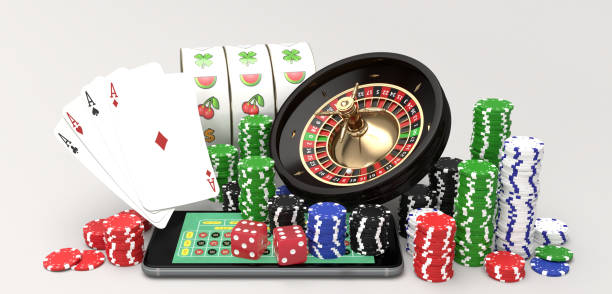
Moreover, social media and online forums have created virtual communities where players share tips, strategies, and experiences about different games. These platforms can significantly influence players’ choices, as word-of-mouth recommendations and discussions can highlight specific games’ perceived value and enjoyment. Players may feel encouraged to try games that their peers endorse, further intertwining social dynamics with personal game selection.
Beyond online interactions, in-person events and tournaments also foster a sense of belonging among gamblers. Many players are motivated by the chance to compete with others, leading them to select games that offer tournament options. The appeal of recognition and potential rewards from these competitions can significantly shape the games players choose to engage with, emphasizing the importance of the social community in the gambling landscape.
Understanding Player Behavior on Our Platform
On our platform, we delve deep into the intricacies of player behavior and decision-making processes when it comes to casino games. We analyze data and trends to offer insights into why players gravitate towards certain games, and we strive to provide a comprehensive understanding of player psychology that extends beyond simple entertainment. Our commitment is to bring clarity and strategies that can help players make informed choices while enjoying their journey through the gaming experience.
Furthermore, our focus is not just on statistics; we appreciate the emotional and social aspects of gambling. We create a community where players can share their experiences and connect with others who share their interests. This interaction not only enhances the enjoyment of the games but also fosters a more profound understanding of the psychological factors that drive game choices.
We continually update our content and offerings to reflect the latest research and trends in player psychology and behavior. By combining academic insights with practical advice, we aim to empower players to make better-informed decisions, ensuring their gaming experience is both enjoyable and responsible. Join us as we explore the psychological landscape of casino gaming and help you navigate your choices with confidence.