
The historical journey of casinos from ancient games to modern marvels
Origins of Gambling in Ancient Civilizations
The roots of gambling can be traced back to ancient civilizations, where games of chance were often intertwined with social and religious practices. The earliest evidence of gambling dates back to around 3000 BC in Mesopotamia, where the Sumerians played dice games, illustrating their need for a secure outlet for wager-based entertainment. These games were not just forms of entertainment; they also served as a means to settle disputes and predict future events, reflecting the belief systems of the time.
In ancient China, the use of tiles to play a game of chance has been documented, suggesting that gambling was a significant part of their culture as well. The Chinese also developed early forms of lotteries that laid the groundwork for modern gambling practices. These ancient games were imbued with a sense of fate and destiny, showcasing how deeply ingrained the concept of chance was in these societies.
The Roman Empire further advanced the evolution of gambling by creating games that became popular among both the elite and commoners. Romans held betting games during festivals, and gladiatorial contests often had wagers placed on their outcomes. This connection between gambling and popular entertainment set the stage for the development of casinos in later centuries, as it highlighted the public’s fascination with risk and reward.
The Evolution of Gambling Through the Middle Ages
As societies transitioned into the Middle Ages, gambling continued to evolve, albeit often under scrutiny from religious authorities. In Europe, games like chess and backgammon were enjoyed by nobility, while dice games were commonplace among the lower classes. These games provided an escape from the hardships of life during this tumultuous period, yet they also faced criticism due to their association with vice and immorality.
During this time, various laws were enacted to regulate gambling activities. The church condemned gambling, viewing it as sinful, which led to a dichotomy in public perception. Despite these efforts, underground gambling flourished, highlighting the inherent attraction of risk-taking behaviors. The rise of taverns and inns as social hubs also provided a setting for informal gambling, giving birth to a culture that celebrated chance.
The establishment of dedicated gaming houses began in the late Middle Ages, particularly in Italy. The first known casino, the Ridotto, opened in Venice in 1638, offering organized gambling in a controlled environment. This marked a significant shift in the landscape of gambling, as it transitioned from informal settings to regulated venues, setting the groundwork for modern casinos.
The Rise of Casinos in the 18th and 19th Centuries
The 18th and 19th centuries witnessed a dramatic expansion of casinos, particularly in Europe and America. The iconic Monte Carlo Casino was established in Monaco in 1863, becoming a symbol of luxury and sophistication in the gambling world. It attracted aristocrats and wealthy individuals, further embedding gambling into high society. The glitz and glamour of such establishments began to redefine gambling from merely a pastime to a lifestyle.
In the United States, the Gold Rush era catalyzed the rise of gambling in the Wild West, with saloons doubling as informal casinos. This era was characterized by a rough-and-tumble atmosphere where poker and other card games became immensely popular. The California Gold Rush not only drew fortune seekers but also entrepreneurs who recognized the profitability of gambling establishments.
The establishment of Las Vegas as a gambling hub in the early 20th century marked a significant turning point in casino history. Legalized gambling in Nevada allowed for the construction of lavish casinos that offered more than just games; they provided comprehensive entertainment experiences, combining dining, shows, and luxury accommodations. This evolution was a testament to the growing acceptance of gambling as a legitimate form of recreation.
The Technological Revolution and Modern Casinos
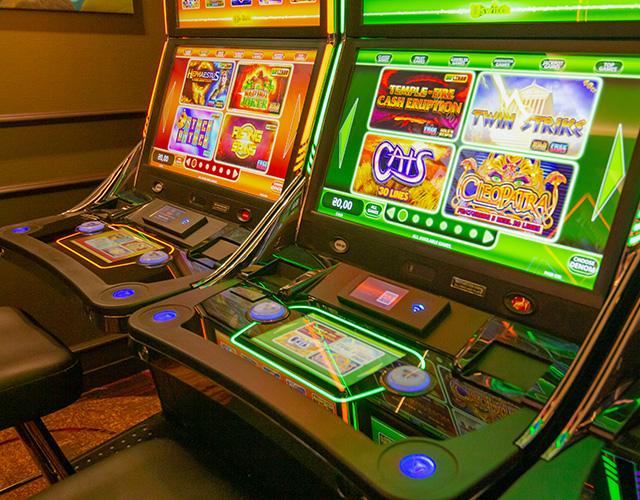
The late 20th and early 21st centuries heralded a technological revolution that significantly impacted the gambling industry. The introduction of electronic gaming machines and video slots transformed the casino landscape, making gambling more accessible and appealing to a broader audience. These innovations paved the way for new gaming experiences that were less reliant on traditional card and table games.
Online casinos began to emerge in the mid-1990s, revolutionizing how people engaged with gambling. The convenience of playing from home attracted a new demographic of players, leading to exponential growth in the online gaming sector. This shift not only expanded the reach of gambling but also introduced challenges, such as regulatory issues and concerns about gambling addiction.
Today, modern casinos incorporate cutting-edge technology like virtual reality and artificial intelligence to enhance the gaming experience. These advancements create immersive environments that draw players in, offering them a sense of excitement and engagement that traditional casinos could only dream of. The evolution of mobile gaming also means that gambling is now accessible at any time and place, reflecting the contemporary lifestyle of users.
Gambling Addiction Awareness and Responsible Gaming
As the casino industry has expanded, so have the concerns surrounding gambling addiction. Recognizing the potential for harmful behaviors, many casinos and online gaming platforms have implemented measures to promote responsible gambling. This includes providing resources for players, establishing self-exclusion programs, and offering support for those struggling with addiction.
Awareness campaigns aim to educate the public about the risks associated with gambling, promoting a culture of mindfulness around gaming. Educational initiatives often focus on the importance of setting limits and recognizing the signs of gambling addiction. This proactive approach demonstrates the industry’s commitment to player welfare, fostering a healthier gaming environment.
Additionally, collaboration with mental health professionals has become essential in addressing gambling-related issues. Casinos are increasingly working with experts to develop programs that assist individuals in need. By prioritizing responsible gaming and awareness, the industry aims to balance enjoyment with safety, ensuring that the thrill of gambling remains a positive experience for all.

Exploring Our Platform for Gaming
As you delve into the world of gaming, our platform prioritizes user experience, offering a secure and seamless interface for all players. With features designed for ease of access, our site allows users to explore various games while maintaining a focus on safety and responsible gaming. We understand that the experience should be enjoyable, and we strive to provide just that.
We are committed to ensuring that our users can navigate effortlessly while enjoying their favorite games. Whether you wish to register or login, our verification process enhances security, ensuring that players can engage with confidence. Whether you’re a seasoned player or a newcomer, our platform is designed to cater to your needs, providing both entertainment and peace of mind.